Skip to content





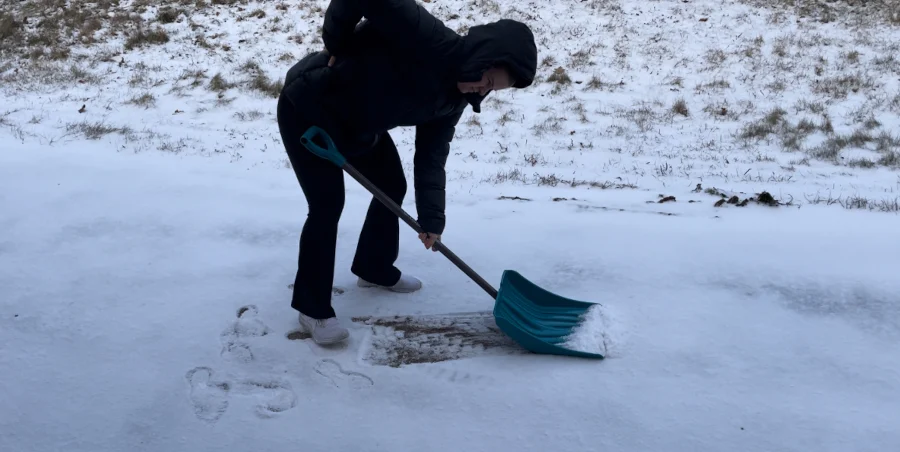
As a physiotherapist, I’ve spent countless hours helping people recover from lower back pain. But here’s something you might not expect—I’ve been in your shoes. A few years ago, after a heavy snowfall, I tackled my driveway with the same energy and determination as always, only to wake up the next morning with nagging lower back pain that persisted for weeks. It was a stark reminder that even those of us trained in body mechanics aren’t immune to injuries when we push our limits or use improper techniques.
That experience motivated me to reflect on how shoveling can strain our bodies and how we can prevent it from happening. In this blog, I’ll share practical tips to protect your back while shovelling, strategies to recover if pain strikes, and advice for maintaining long-term spinal health. Whether you’re tackling snow or a landscaping project, these insights will help you stay safe and pain-free.
Understanding the Risk
Shoveling can be a surprisingly intense physical activity. It combines bending, twisting, and lifting movements that place significant strain on your lower back muscles and spine. Add heavy, wet snow or compacted soil, and it’s a recipe for fatigue or even injury.
Common issues that result from improper shoveling include:
- Muscle/Joint strains or sprains
- Herniated discs with or without Sciatic involvement
- Chronic stiffness or pain due to repetitive stress
Understanding these risks is the first step toward avoiding them. By preparing your body and using proper technique, you can shovel more safely and effectively.

Prevention Starts Before You Shovel
1. Warm-Up Your Body
Just as you would before exercising, warming up your muscles can reduce the risk of strain.
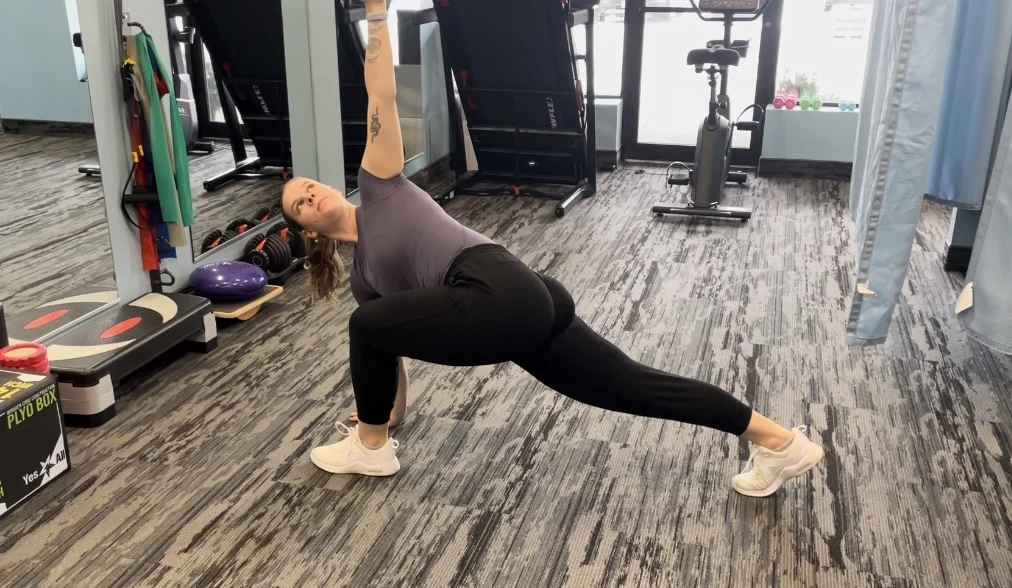
Spend 5–10 minutes doing light cardio, such as marching in place or taking a brisk walk, followed by dynamic stretches. Focus on loosening up your hips, hamstrings, and lower back with gentle movements like:
- Cat-cow stretches (arching and rounding your back on all fours)
- Forward lunges
- Standing Pendulums and hip circles
2. Choose the Right Equipment
The right shovel can make all the difference. Look for one that has an ergonomic design with a curved handle or adjustable length to minimize bending. Lightweight shovels are easier to handle and reduce the load on your back.
3. Dress for Comfort and Safety
Wear warm, layered clothing that allows you to move freely. Non-slip boots are crucial for maintaining stability on icy or uneven surfaces, which reduces the risk of slips and falls.
Shoveling Techniques to Protect Your Back
 1. Use Proper Body Mechanics
Bend at Your Hips and Knees: Avoid bending at your waist, which puts unnecessary stress on your lower back. Instead, hinge at your hips and keep your knees slightly bent when picking up snow or dirt.
Keep the Load Close: Hold the shovel close to your body to minimize strain on your arms and spine. Avoid extending your arms or twisting while lifting.
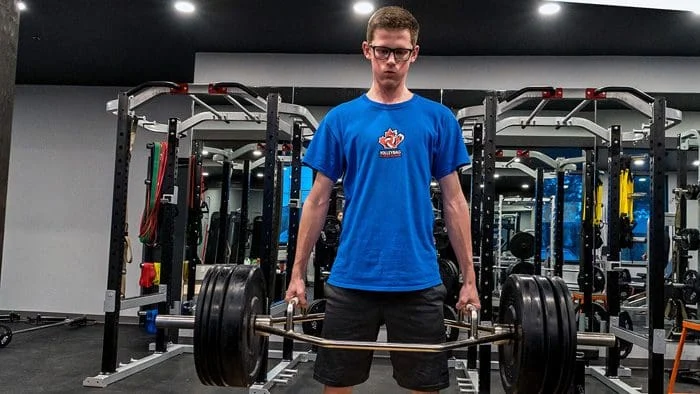
Lift with Your Legs: Engage your leg muscles to do the heavy lifting. Push through your legs as you stand up, rather than pulling with your back.
2. Shovel Smart
Push Instead of Lifting: Whenever possible, push the snow or dirt to the side instead of lifting and throwing it.
Don’t Overfill the Shovel: Take smaller loads to reduce the amount of force required to lift and move the material.
Switch Sides: Alternate between your dominant and non-dominant hand periodically to balance the workload on both sides of your body.
3. Take Breaks
Frequent breaks are essential to prevent overexertion. Shovel for 10–15 minutes, then pause to stretch and catch your breath. Use this time to assess how your back feels and adjust your technique if needed.
Treatment and Recovery for Lower Back Pain
If you feel discomfort during or after shoveling, it’s important to address it promptly to prevent further issues.
Immediate Relief
- Rest, But Not Too Much: While rest is important, avoid prolonged inactivity, as this can lead to stiffness. Gentle movements, such as walking or stretching, help keep your muscles loose and promote blood flow.
- Apply Ice or Heat: Use an ice pack during the first 24–48 hours to reduce inflammation, followed by heat to relax tense muscles. Apply for 10-15 minutes a few times per day.
Physiotherapy Interventions
A physiotherapist can provide tailored treatments to address back pain, including:
- Manual Therapy: Techniques such as massage or joint mobilization/manipulation can reduce tension and improve mobility.
- Exercise Prescription: Specific exercises to strengthen your core, improve posture, and enhance flexibility.
- Education on Body Mechanics: Learn how to safely perform daily activities, including shovelling.
Long-Term Tips for a Healthier Back
The best way to avoid back pain is to maintain a strong, resilient body year-round. Here are some strategies:
- Stay Active: Regular physical activity strengthens your core, back, and leg muscles, which are essential for supporting your spine.
- Stretch Daily: Incorporate stretches that target your hamstrings, hips, and lower back to maintain flexibility.
- Practice Good Posture: Whether standing, sitting, or lifting, maintain a neutral spine to distribute weight evenly.
- Lift Smart: Apply the same shoveling techniques to other lifting tasks to avoid strain.
Conclusion
Shoveling doesn’t have to mean back pain. By warming up, using proper technique, and listening to your body, you can make this seasonal chore safer and more manageable. If pain does occur, physiotherapy can help you recover and teach you strategies to avoid future issues. Remember, a little preparation goes a long way in protecting your back—both now and in the years to come.
Did you get injured shoveling? Contact us for an assessment.
Stay active, stay safe, and shovel smarter, not harder!