Skip to content




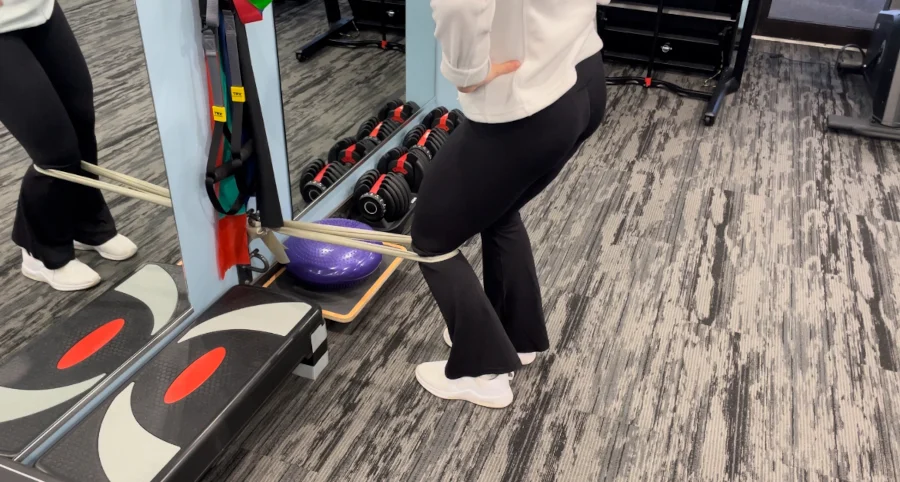
At Sheddon Physiotherapy and Sports Clinic Burlington, we frequently assist patients dealing with meniscus injuries, which are common among those involved in sports, high-impact activities, or repetitive knee movements. Meniscus injuries can significantly impact mobility and quality of life, making timely and effective care essential.
What is the Meniscus?
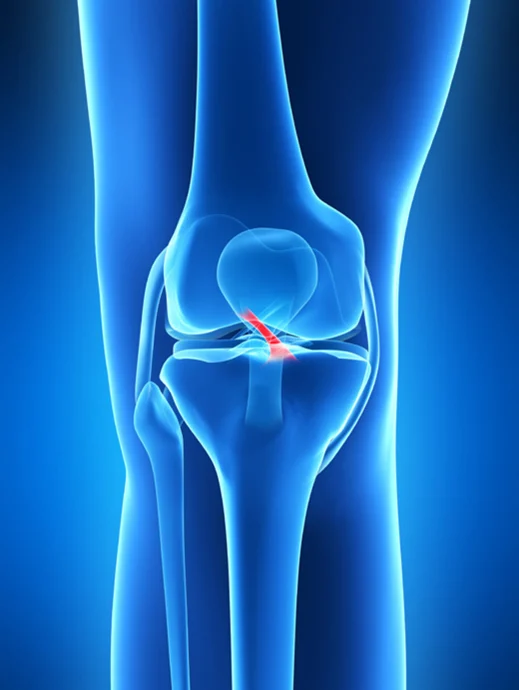
The meniscus is a vital structure in the knee joint, consisting of two C-shaped pieces of cartilage: the medial meniscus (on the inside) and the lateral meniscus (on the outside). These structures serve as shock absorbers, cushioning the joint during movement and evenly distributing weight across the knee. They also help stabilize the joint, ensuring smooth and efficient motion. When the meniscus is injured, it can lead to pain, stiffness, and reduced mobility, affecting everyday activities and athletic performance.
 Causes of Meniscus Injuries
Meniscus injuries often occur due to sudden twists, pivoting motions, or impacts, which are common in sports such as basketball, soccer, and skiing. These injuries are particularly frequent among athletes who perform rapid directional changes or jumping. However, meniscus injuries are not exclusive to athletes. Repetitive stress on the knee, such as from running or heavy lifting, can also contribute to damage. In older individuals, the meniscus can weaken over time, making it more susceptible to tears, even during routine activities.
Recognizing the Symptoms
Meniscus injuries can present with a range of symptoms, which may vary depending on the severity of the injury. Common signs include:
- Pain: This may range from sharp pain during activities like running or squatting to a dull ache that persists even at rest.
- Swelling: Swelling around the knee is a typical response to a meniscus injury. It may occur immediately after the injury or develop gradually over several hours or days.
- Limited Mobility: A damaged meniscus can restrict knee movement, making it difficult to fully bend or straighten the joint. You might also experience a sensation of the knee “locking” or “catching” during movement.
- Instability: Some individuals feel as though their knee might give way under pressure, leading to a lack of confidence in their movements.
If you notice these symptoms, it’s essential to seek professional evaluation and care to confirm the diagnosis and begin an appropriate treatment plan.
Initial Steps for Managing Meniscus Injuries
Taking immediate action can help reduce pain and prevent further damage. If you suspect a meniscus injury, follow these initial steps:
- Rest: Avoid activities that stress the knee, particularly those involving twisting, jumping, or high-impact movements. Resting the joint allows it to heal and prevents the injury from worsening.
- Ice: Apply ice to the knee for 15–20 minutes at a time, several times a day. This helps reduce swelling and alleviate pain, especially within the first 48 hours after the injury.
- Compression: Using an elastic bandage to wrap the knee can help control swelling. Be sure to wrap it snugly but not so tightly that it restricts circulation.
- Elevation: Elevate the knee above heart level whenever possible. This encourages fluid drainage and helps reduce swelling.
These simple steps can help manage symptoms while you seek professional care.
The Role of Physiotherapy in Recovery
Physiotherapy is a cornerstone of effective recovery for meniscus injuries. At Sheddon Physiotherapy and Sports Clinic, we offer personalized rehabilitation programs tailored to each patient’s needs and goals. Our comprehensive approach includes:
-
Strengthening Exercises:
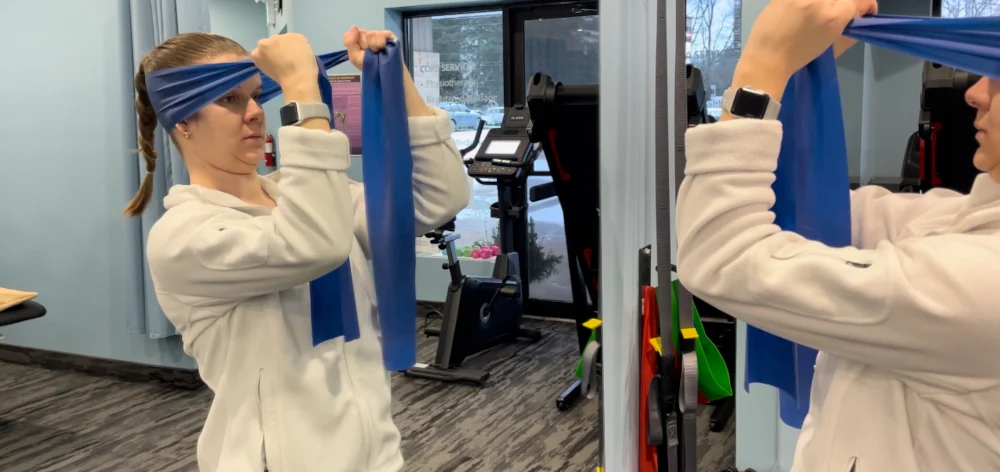
Strengthening the muscles around the knee, including the quadriceps, hamstrings, and calves, is essential for supporting the joint and enhancing stability.
-
Manual Therapy:
Hands-on techniques are used to reduce stiffness, improve joint mobility, and alleviate discomfort.
-
Pain Management Techniques:
Modalities such as ultrasound therapy, electrical stimulation, or dry needling can help reduce pain and inflammation.
-
Flexibility and Range of Motion Exercises:
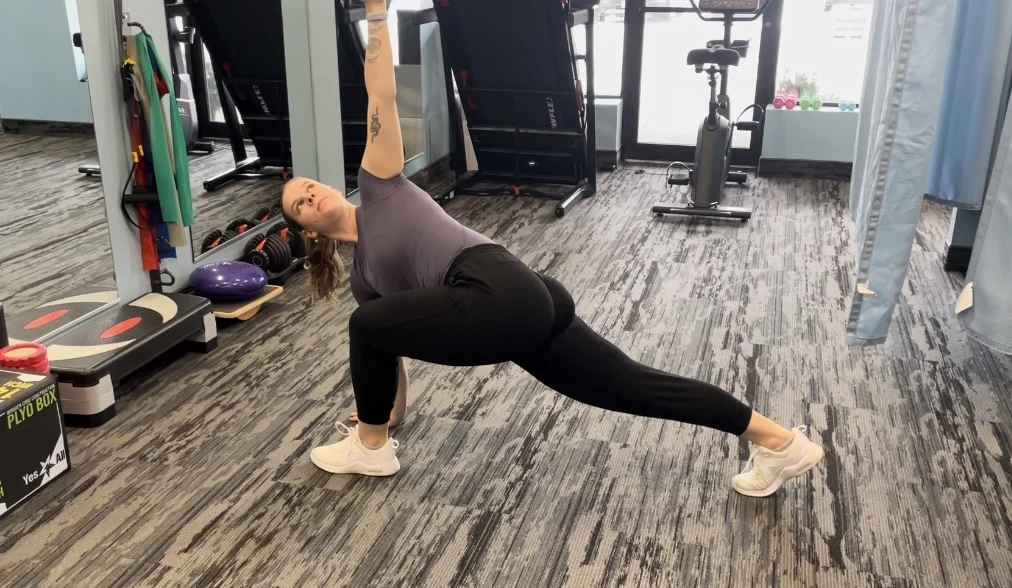
Restoring normal movement patterns and improving flexibility are key to ensuring optimal knee function.
-
Functional Training:
For those looking to return to sports or specific activities, we incorporate functional training to simulate real-world movements and prepare the knee for everyday demands.
Our expert physiotherapists guide patients through every step of the recovery process, ensuring they progress safely and effectively.
 The Benefits of Choosing Sheddon Physiotherapy and Sports Clinic
At Sheddon Physiotherapy and Sports Clinic Burlington, we pride ourselves on delivering exceptional care to patients with meniscus injuries. Our team of highly trained physiotherapists combines expertise, advanced techniques, and personalized attention to help you recover quickly and effectively.
We emphasize patient education, empowering you to take an active role in your recovery. You’ll receive clear guidance on at-home care, lifestyle modifications, and preventive measures to support your rehabilitation journey. Whether your goal is to return to high-level sports, regain mobility for daily activities, or simply live pain-free, we are dedicated to helping you achieve it.
Our clinic also offers a welcoming environment designed to make your recovery experience as comfortable as possible. We use the latest techniques and equipment to ensure you receive the highest quality care.
Prevention Tips for Meniscus Injuries
While not all injuries can be avoided, certain strategies can help reduce the risk of meniscus damage:
-
Warm-Up Properly:
Engage in dynamic warm-up exercises to prepare your muscles and joints for activity.
-
Strengthen Supporting Muscles:
Incorporate exercises that target the quadriceps, hamstrings, and calves to support knee stability.
-
Practice Good Technique:
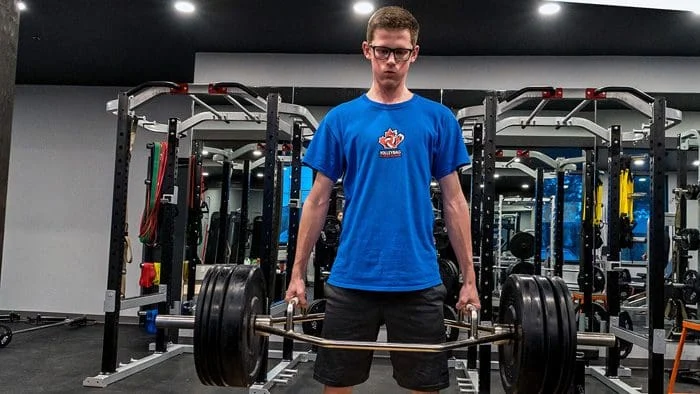
Whether you’re playing sports or lifting weights, focus on proper form to minimize strain on the knees.
-
Wear Appropriate Footwear:
Choose shoes that provide adequate support and cushioning for your activities.
-
Rest and Recover:
Allow your body time to recover between intense activities to prevent overuse injuries.
By following these tips, you can help protect your knees and reduce the likelihood of injury.
Get Back to Your Best
If you’re experiencing knee pain or suspect a meniscus injury, don’t wait to seek professional help. Early diagnosis and treatment can make a significant difference in your recovery and prevent further complications.
Contact Sheddon Physiotherapy and Sports Clinic in Burlington today for a comprehensive evaluation and personalized treatment plan. Let our dedicated team guide you on the path to recovery, so you can return to your activities with confidence, comfort, and strength.