



The Surprising Link Between Tight Calves and Foot Pain
Foot pain can be frustrating and limiting, especially when it seems to appear without a clear cause. While many people focus treatment on the foot itself, tight calf muscles are often an overlooked contributor. Because the calves play a key role in ankle movement and shock absorption, stiffness in this area can increase strain on the foot with every step. At Sheddon Physiotherapy & Sports Clinic Burlington, we look beyond the site of pain to identify the underlying factors that may be driving your symptoms.
The Connection Between the Calves and the Feet
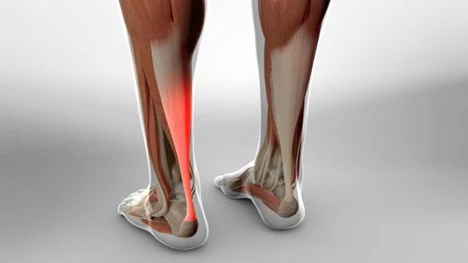
 The calf muscles connect to the heel through the Achilles tendon and help control how the ankle moves during walking and running. When the calves are tight, ankle motion becomes restricted, particularly when the foot needs to bend upward as you move forward.
This restriction forces the foot to compensate. As a result, structures like the plantar fascia, heel, and arch are placed under increased stress. Over time, this added load can contribute to common conditions such as plantar fasciitis, Achilles tendinopathy, and generalized foot pain.
Who Is Most Affected by Tight Calves?
 Tight calves can affect people of all activity levels. Runners and athletes often develop calf tightness due to repetitive loading, while individuals who sit for long hours may experience stiffness from prolonged inactivity. Wearing unsupportive footwear, walking frequently on hard surfaces, or suddenly increasing activity levels can also contribute.
Symptoms often include stiffness in the ankles, heel pain that is worse first thing in the morning, pain after long walks or standing, or recurring foot discomfort that doesn’t fully resolve.
Recognizing these signs early can help prevent foot pain from becoming a chronic issue.
Restoring Mobility and Reducing Strain
Improving calf flexibility and strength is key to reducing stress on the foot. Gentle stretching helps restore ankle mobility, while strengthening exercises allow the muscles to better absorb load during movement. Calf raises, controlled ankle mobility exercises, and gradual loading strategies can help improve function and reduce pain.
It’s important to note that stretching alone isn’t always enough. If tight calves are paired with weakness, poor walking mechanics, or altered posture, foot pain may persist without a comprehensive approach.
How Physiotherapy Can Help
 At Sheddon Physiotherapy & Sports Clinic Burlington, our physiotherapists assess how your calves, ankles, and feet work together during movement. Based on this assessment, we develop a personalized treatment plan that may include manual therapy, mobility exercises, strengthening, gait retraining, and education on footwear and daily activity modification.
Our goal is not only to reduce pain but also to restore proper movement and prevent future injuries.
Take the Next Step
Foot pain is rarely caused by a single factor, and tight calves are often part of the bigger picture. With the right guidance and treatment, you can move more comfortably and confidently. Contact Sheddon Physiotherapy & Sports Clinic Burlington today to book an assessment and start addressing the root cause of your foot pain.