Skip to content



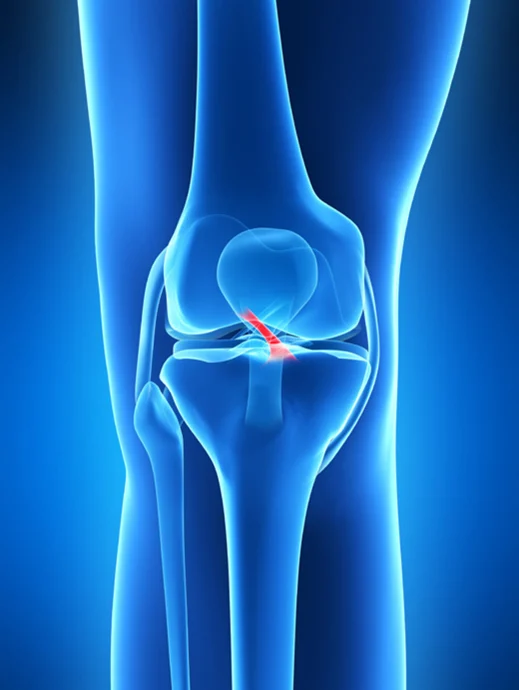


An anterior cruciate ligament (ACL) tear is one of the most common knee injuries, particularly among athletes involved in sports that require sudden changes in direction, high-impact movements, or intense physical contact. The ACL is an essential ligament that provides stability to the knee by connecting the femur (thigh bone) to the tibia (shin bone). It plays a crucial role in allowing proper knee function, particularly in activities involving running, jumping, and pivoting. When the ACL is torn, it can disrupt normal knee movement, resulting in instability and difficulty with everyday activities. This article explores the causes and symptoms of ACL tears, as well as how physiotherapy can aid in recovery and rehabilitation.
Causes and Symptoms of an ACL Tear
ACL tears most frequently occur during high-intensity sports, such as soccer, basketball, skiing, football, and rugby. They often happen when an athlete abruptly changes direction while running, makes a sudden pivot, or lands awkwardly from a jump. In some cases, a direct blow to the knee, such as a collision with another player or falling onto the knee, can also result in an ACL tear.
While contact sports are the most common cause of ACL tears, non-contact injuries are also a significant factor. A sudden shift in direction while running or jumping, or even a misstep during a routine movement, can cause the ACL to stretch or rupture.
Symptoms of an ACL tear typically present immediately after the injury. These include:
- Severe pain: The pain can be intense, especially immediately following the injury, and may limit the ability to move the knee.
- Swelling: Rapid swelling around the knee joint is common within a few hours of injury.
- Instability: A feeling that the knee is “giving way” or buckling under pressure is often reported, making it difficult to perform weight-bearing activities like standing or walking.
- Difficulty bearing weight: Pain and instability may make it challenging to walk or stand on the affected leg.
- Audible “pop”: Many people report hearing a distinct popping or snapping sound at the time of the injury, which is often indicative of an ACL tear.
If you experience any of these symptoms, it is essential to seek medical attention as soon as possible. Early diagnosis and treatment can significantly impact the recovery process and determine whether surgical intervention or conservative management is needed.

The Role of Physiotherapy in Recovery
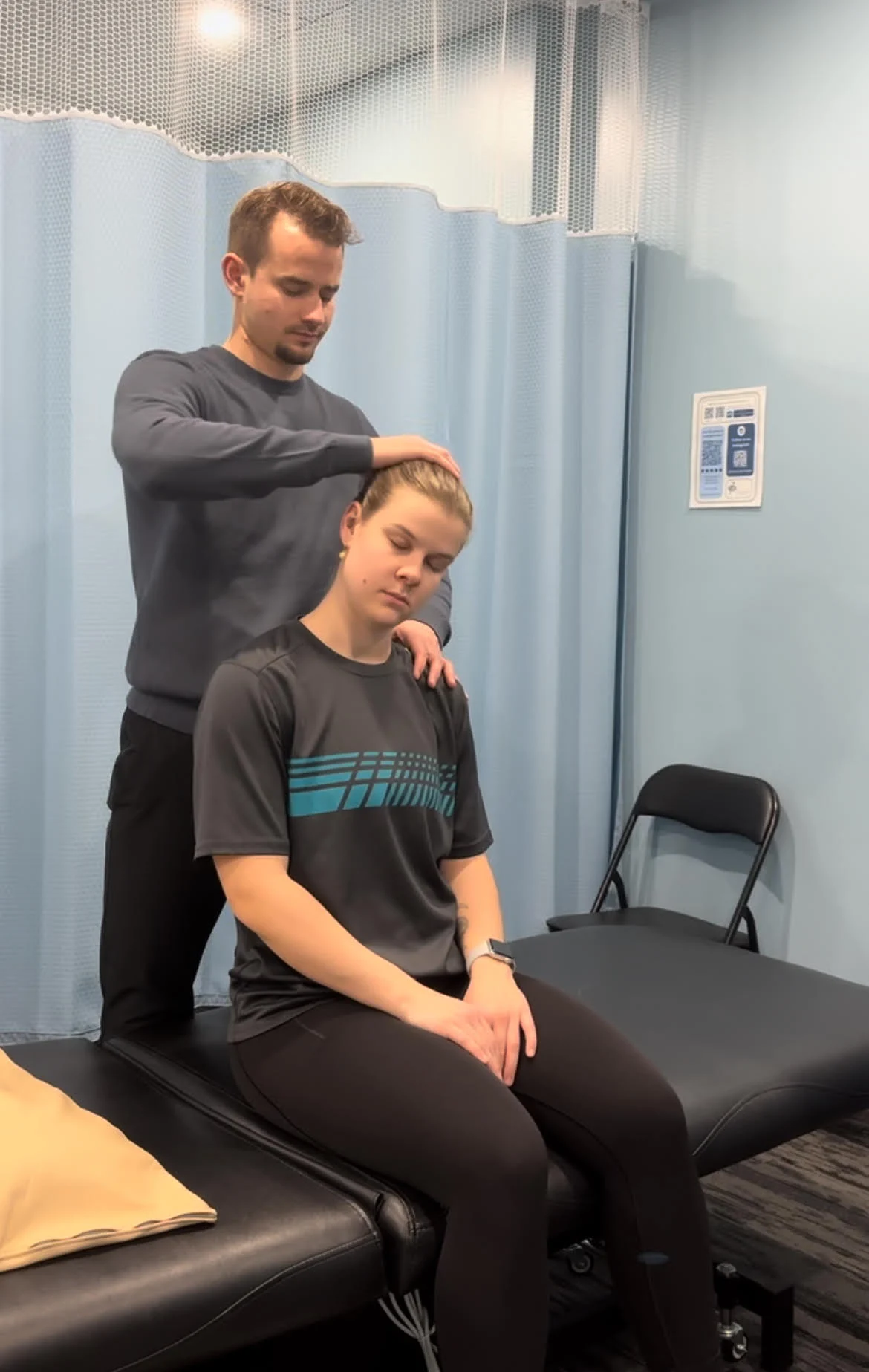
Physiotherapy plays a vital role in the recovery process following an ACL tear. Whether surgery is required or not, a carefully designed physiotherapy program can help restore function, alleviate pain, and improve knee stability. The physiotherapy process typically follows two main phases: pre-surgery (if necessary) and post-surgery rehabilitation.
1. Preparation for Surgery
For patients who require ACL reconstruction surgery, physiotherapy begins before the operation. Pre-operative physiotherapy focuses on reducing swelling, improving range of motion, and strengthening the muscles surrounding the knee joint. Strengthening the quadriceps, hamstrings, and calf muscles is essential, as these muscles help support and stabilize the knee. Pre-surgical rehabilitation ensures that the knee is in optimal condition for surgery, which can promote faster recovery and better outcomes after the procedure.
2. Post-Surgery Rehabilitation
After ACL reconstruction surgery, physiotherapy becomes even more critical. Post-operative rehabilitation aims to manage pain, reduce swelling, and restore the knee’s range of motion. Physiotherapists use a combination of treatments, such as ice, compression, and elevation, to minimize swelling and discomfort.
As the knee heals, gentle therapeutic exercises are introduced to help restore movement and flexibility. Manual therapy techniques may also be used to improve joint mobility and reduce stiffness. Gradually, as the knee regains function, the focus shifts to strengthening the surrounding muscles, improving balance, and enhancing proprioception (the body’s sense of position in space), all of which are crucial for optimal knee function and reducing the risk of re-injury.
3. Strength and Stability
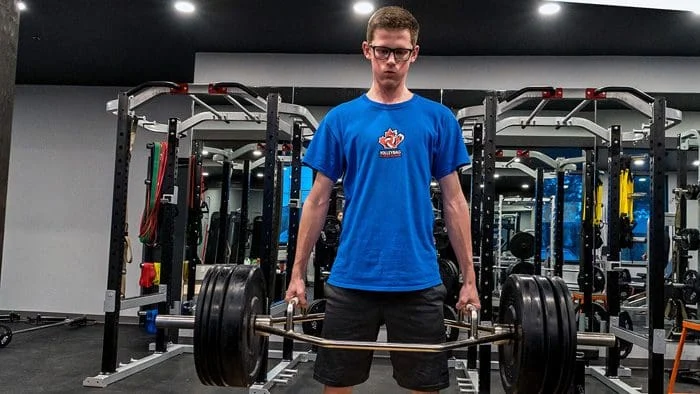
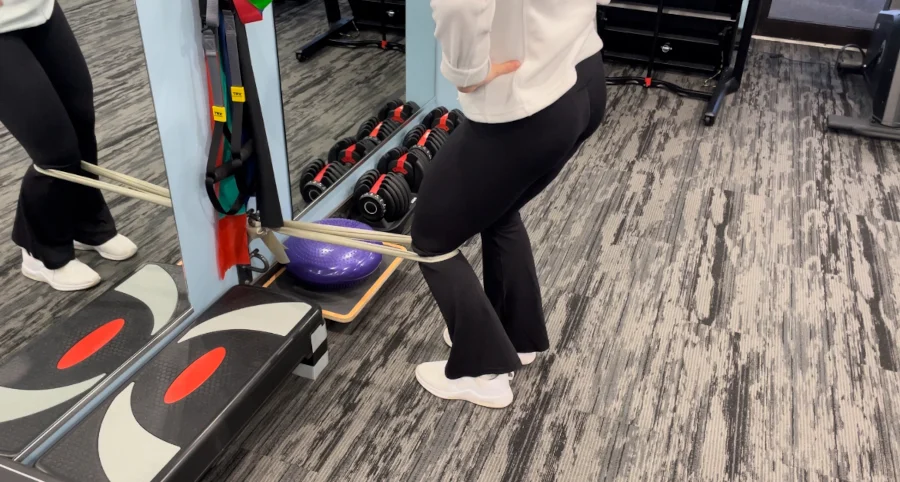
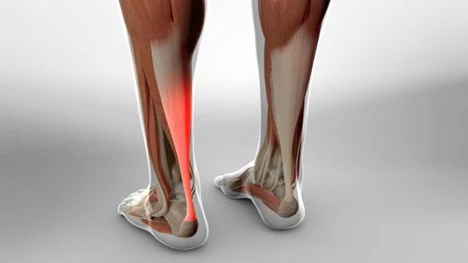
A key part of ACL rehabilitation is strengthening the muscles around the knee joint, particularly the quadriceps, hamstrings, and calf muscles. Strong muscles help stabilize the knee and protect it from future injuries. Physiotherapists prescribe specific, progressive exercises to strengthen these muscle groups over time.
Strengthening exercises not only improve knee function but also reduce the likelihood of compensatory movements, which could place additional stress on other parts of the body. This approach helps to prevent long-term issues like chronic pain or other injuries that could develop due to muscle imbalances.
4. Balance and Proprioception Training
Balance and proprioception exercises are a critical component of ACL rehabilitation. Proprioception is the body’s ability to sense the position of joints and limbs in space, and it plays an important role in knee stability. Specialized exercises are designed to challenge balance and improve the ability to control knee movements during dynamic activities. This type of training is particularly important in reducing the risk of future ACL injuries.
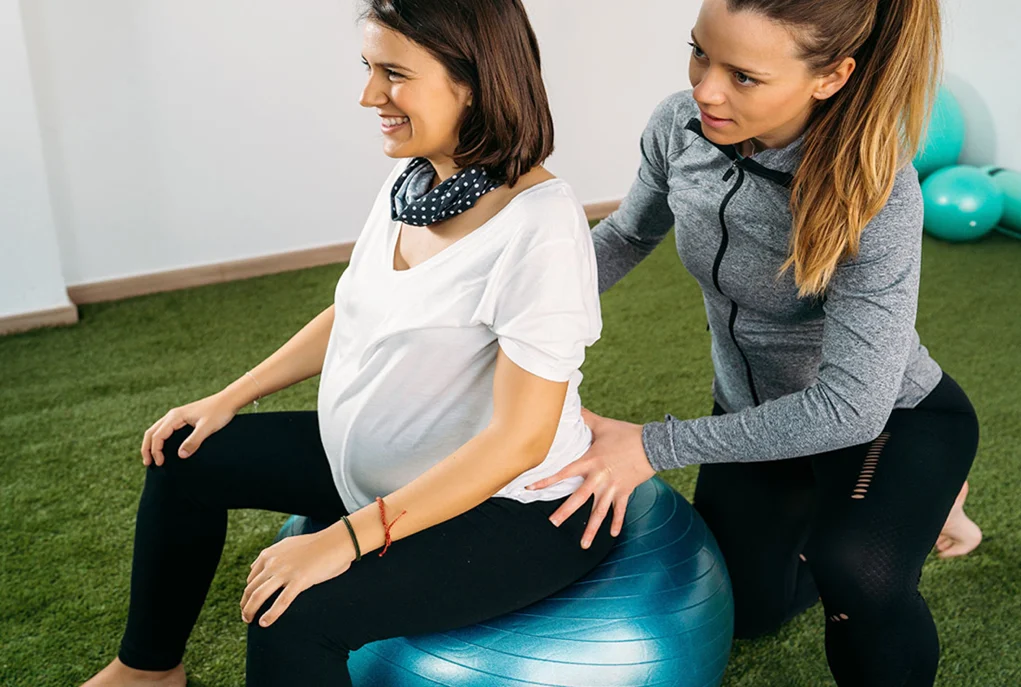
Physiotherapists may use tools such as balance boards, stability balls, or single-leg exercises to enhance proprioception. These exercises help patients regain confidence in their knee and restore the ability to perform high-demand physical activities with greater stability.
5. Functional Training
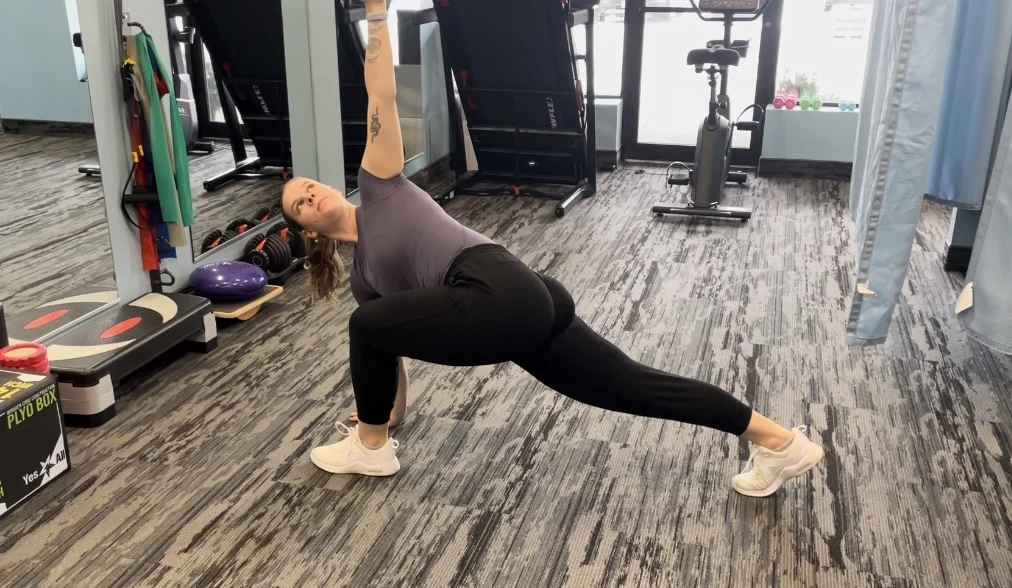
As the knee becomes stronger and more stable, physiotherapists begin introducing functional exercises that mimic real-world movements and activities. These exercises help athletes and individuals return to their pre-injury activity levels. For athletes, sport-specific movements like running, cutting, and jumping are integrated into the rehabilitation process. For the general population, functional exercises may include squatting, walking, and climbing stairs.
The goal of functional training is to ensure that patients can safely perform daily activities and sports without fear of re-injury or instability.
6. Non-Surgical Management
In some cases, an ACL tear may be managed conservatively without surgery. This approach is more common for individuals who are not involved in high-impact sports or who are older. Physiotherapy remains a central component of this management strategy, with a focus on strengthening the knee muscles, improving stability, and managing pain. While non-surgical management may not fully restore the knee to its pre-injury state, physiotherapy can help reduce symptoms and improve overall function.
7. Education and Prevention
A crucial aspect of physiotherapy is patient education. Physiotherapists provide guidance on warm-up techniques, proper movement patterns, and strategies to prevent future ACL injuries. This includes teaching athletes proper landing techniques, strengthening exercises to prevent overuse, and promoting the use of appropriate protective gear during physical activities. Preventative education is an essential part of long-term knee health.
Why Choose Sheddon Physiotherapy for Your ACL Recovery
At Sheddon Physiotherapy in Burlington/Aldershot, our team of experienced physiotherapists specializes in the treatment and rehabilitation of ACL injuries. We provide individualized treatment plans tailored to your unique needs, whether you are preparing for surgery or seeking non-surgical management. Our approach emphasizes a holistic recovery process that restores knee function, improves strength and stability, and ensures a safe return to your normal activities.
Contact us today to schedule a consultation and take the first step toward a successful ACL recovery with expert care and personalized attention. Our team is committed to helping you regain full knee function and achieve a pain-free, active lifestyle.